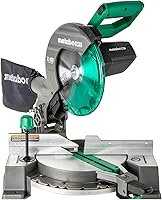
Can a Miter Saw Cut Aluminum?
Yes, a miter saw can cut aluminum, but only with a carbide blade made for non-ferrous metal and a slow, steady feed. A standard wood blade will grab, overheat the metal and throw chips, so swap the blade first.
On this page (8 sections)
- Can a miter saw cut aluminum?
- What blade do you need for aluminum on a miter saw?
- How do you set up a miter saw to cut aluminum?
- Is cutting aluminum on a miter saw safe?
- Can you cut thick aluminum bar or plate on a miter saw?
- How do you get clean cuts in aluminum on a miter saw?
- What mistakes should you avoid when cutting aluminum?
- So, can a miter saw cut aluminum?
Yes, a miter saw can cut aluminum, provided you fit a carbide blade made for non-ferrous metal and feed it slowly. A standard wood blade will snatch at the metal, overheat it and fling sharp chips, so change the blade before the first cut.
Cutting aluminum on a miter saw works well for trim, tube and channel. The saw's miter and bevel settings are handy when aluminum angle or threshold strip has to meet a corner.
The limits are thickness and blade choice, not the saw itself.
Can a miter saw cut aluminum?
Yes, a miter saw cuts aluminum when the blade is suited to metal and the material is thin or hollow. The saw provides the speed and the angle control; the blade does the actual work.
Most 10-inch miter saws spin fast, so the blade must be designed to cope with that speed in aluminum. A carbide-tipped non-ferrous blade has hard teeth that slice the metal rather than rubbing it.
The task is closer to cutting dense hardwood than cutting steel. You keep the blade fed steadily, let the teeth do the work and avoid forcing the head down.
Push too hard and the aluminum heats, gums the teeth and leaves a rough edge.
If you want the wider picture of what these saws handle, our guide to what a miter saw is used for covers wood, trim and the jobs where the tool earns its bench space. Aluminum is simply one more material on that list, with its own blade rules.
What blade do you need for aluminum on a miter saw?
You need a carbide-tipped blade rated for aluminum or non-ferrous metal, with a high tooth count and a hook angle that won't pull the saw into the stock. A dedicated aluminum blade is the safest starting point.
Tooth count matters more here than on wood. A fine 80-tooth blade leaves cleaner cuts on thin profiles and reduces the chance of snagging on hollow tube.
A 60-tooth blade covers general trim work and mixed materials.
Avoid blades with a steep positive hook. On aluminum, those teeth bite hard and can drag the head down faster than you can control.
A negative or neutral hook is gentler and keeps the cut stable.
Also check the blade's maximum rpm against the saw's rating. A blade that isn't rated for the saw's speed is a vibration and failure risk.
When in doubt, buy a blade sold specifically for aluminum cutting on miter and chop saws.
How do you set up a miter saw to cut aluminum?
Clamp the aluminum firmly, keep the blade speed low and support both ends of the piece before you start. A loose workpiece is the most common cause of a grab or a kick.
- Unplug the saw and fit the aluminum blade, checking the arbor size and the rotation arrow.
- Clamp the metal against the fence so it can't lift or slide.
- Support long pieces with a stand or an extra hand so the cut end doesn't drop.
- Set the miter or bevel angle you need and lock it.
- Put on safety glasses and hearing protection, then make a slow test cut on scrap.
- Feed steadily and release the trigger before lifting the head.
Aluminum chips are hot and sharp. Clear them from the table often and keep your hands away from the blade path.
A dust bag or shop vac at the port catches some of the swarf and keeps the bench tidier.
Which miter saws handle aluminum well?
The three saws below all list multi-material cutting, which means the maker says one blade covers wood and mild metal. The score weighs specs and features against what a mixed wood-and-metal job needs.
The Evolution R255SMS+ comes with a 60-tooth blade and a 15 A motor. Its 50–50 miter and 0–45 bevel settings let you angle aluminum trim to match a corner.
The Evolution R255SMS-DB+ adds a dual bevel and an 80-tooth blade. The finer teeth suit aluminum trim that needs clean bevels on either side of the head.
The Dovaman runs a 15 A motor with two speed settings. Dropping to the slower range gives you more control in soft metal and PVC.
Each saw is a solid bench tool for trim jobs. For heavy aluminum stock, look at a dedicated metal-cutting saw instead.
Is cutting aluminum on a miter saw safe?
It's safe when you use the right blade, clamp the stock and feed slowly. The risks come from wrong blades, loose material and rushing the cut.
- Kickback: aluminum can grab a coarse blade and jump. Clamp it and keep the head under control.
- Hot chips: metal swarf leaves the cut fast and hot. Wear glasses with side shields and long sleeves.
- Sharp edges: the cut edge is a burr. Deburr it with a file before you handle the piece.
- Noise: aluminum cutting is loud. Hearing protection is not optional.
Never cut aluminum with the blade guard tied back or removed. Never reach into the cut path to clear chips while the blade spins.
Let the blade stop fully before lifting the head.
Can you cut thick aluminum bar or plate on a miter saw?
No, a 10-inch miter saw is not the right tool for thick solid aluminum bar or plate. The blade speed and motor are set up for trim, tube and channel, not heavy section stock.
The cut depth limit is the first problem. A 10-inch sliding saw reaches only so deep, and thick bar puts the blade under constant load.
The motor overheats and the blade gums or stalls.
Use a metal-cutting chop saw, a band saw or a cold saw for thick aluminum. Those tools run slower and hold the blade steady in the cut, which is what thick stock needs.
A miter saw is fine up to thin profiles and hollow shapes, and that is where it earns its place.
How do you get clean cuts in aluminum on a miter saw?
Go slow, keep the blade cool and use a fine-tooth blade. Clean cuts come from steady feed and sharp teeth, not from extra pressure.
A few drops of cutting fluid or a rub of wax on the blade line help stop chips welding to the teeth. That matters most on longer cuts and on soft alloys.
On short trim cuts you can often run dry.
Let the blade come up to full speed before it touches the metal. Feed at a rate where the motor doesn't bog and the chips come off as small curls.
If the blade starts to chatter or the cut edge smears, stop, let it cool and check the blade.
Deburr the finished edge with a fine file or a deburring tool. A light pass removes the sharp lip and leaves a clean corner for fitting.
For angle work on trim, the same miter technique you use for cutting baseboard corners applies to aluminum: mark, set the angle, test on scrap, then cut. Compound angles in aluminum follow the same logic as wood, and our guide to compound angles on a miter saw walks through the math.
Can you miter aluminum corner trim?
Yes, you can miter aluminum corner trim on a miter saw. Set the angle the same way you would for wood trim, clamp the piece and cut slowly.
Test the fit on scrap first. Aluminum doesn't compress the way wood does, so a gap at the corner shows up plainly.
A 45-degree miter on both pieces gives a clean joint when the wall corner is square. Out-of-square walls need a slight angle tweak, so sneak up on the setting.
Hold the trim flat and tight against the fence. Thin aluminum can flex under the blade, so a clamp close to the cut keeps the edge square.
What mistakes should you avoid when cutting aluminum?
The biggest mistake is using a wood blade on aluminum. The teeth grab, the metal heats and the cut goes wrong fast.
Fit a proper non-ferrous blade first.
Other common errors:
- Forcing the head down. Let the teeth cut. Pushing overheats the blade and smears the edge.
- Skipping the clamp. A loose piece can lift or kick back.
- Cutting thick stock. A 10-inch miter saw isn't built for solid bar or plate.
- No eye protection. Hot chips fly far and fast.
- Ignoring the blade rating. Check the blade's rpm limit against the saw's speed.
Get those right and the cut is straight, clean and safe. The blade and the clamp do most of the work.
So, can a miter saw cut aluminum?
Yes, a miter saw can cut aluminum trim, tube and channel when you fit a carbide non-ferrous blade and feed slowly. The saw's miter and bevel settings make it a good choice for angled aluminum work, as long as you clamp the stock and clear the chips.
Pick the Evolution R255SMS-DB+ if you need clean bevels in aluminum trim. The R255SMS+ suits mixed wood and light metal jobs with one blade.
The Dovaman is a fit for light aluminum and PVC with its two speed settings. For thick bar or plate, reach for a metal-cutting saw, not a miter saw.
Whichever saw you use, the rule is the same: right blade, clamped stock, slow feed. That turns a risky cut into a routine one.
If you're also cutting square posts, see whether a miter saw can cut a 4x4 before you buy a bigger blade.
Frequently asked questions
Is cutting aluminum on a miter saw safe?
It's safe when you wear eye and hearing protection, clamp the metal, and feed slowly. Aluminum chips are hot and sharp, so clear them often and never cut with a worn or wrong blade.
Can I cut thick aluminum bar or plate on a miter saw?
A miter saw handles thin aluminum profiles like trim, tubing and channel well. Thick solid bar and plate overload a 10-inch saw, so use a metal-cutting chop saw or band saw for heavy stock.
Do I need cutting fluid for aluminum on a miter saw?
A few drops of cutting fluid or wax on the blade line help stop chips welding to the teeth on longer cuts. Short trim cuts often run fine dry, but fluid keeps the blade cooler.